Software as sovereign infrastructure
A country doesn't always own the airlines. It owns its airspace, and every flight that enters crosses on its terms. A jurisdiction needs the same over its money and the AI acting on it. SettleVIA checks every payment, approval and AI action against the jurisdiction's own rules before anything moves, on the banks, mobile money and networks it already runs.
What the government gains
Revenue it can collect
Tax obligations can be checked before a payment settles, including on cross-border and AI-driven trade that escapes collection today.
Banks stay connected
A signed record for every payment lets correspondent banks assess transactions rather than whole countries, so the reason to exit falls away.
AI on its own terms
AI from anywhere can act in the economy, but only under the jurisdiction's rules, with a record of who authorized it.
Funding through its own systems
Donors and funders can pay through national systems, because every release is checked against its conditions.
Supervision without a large team
Every governed transaction is visible as it happens, without a compliance workforce the administration can't hire.
Standing in international assessments
A signed record of every decision is the evidence that assessments ask for.
The jurisdiction holds the rules. Licensed institutions move the money. SettleVIA holds neither.
The regulator writes the rules. Any conditions a funder, bank or platform adds sit inside them. The rules, the signing keys and the data stay with the jurisdiction. If it ever leaves, they leave with it, and every decision record can still be checked.
| The jurisdiction | Licensed institutions |  | |
|---|---|---|---|
| The rules | Held | Not held | Not held |
| The signing keys | Held | Not held | Not held |
| The data | Held | Not held | Not held |
| The money | Not held | Held | Not held |
| The customer | Not held | Held | Not held |
Owned, not rented
SettleVIA runs on infrastructure the jurisdiction controls. Assurance over its payment systems, and over the AI acting in them, moves onto the national balance sheet.
It outlasts any program
A proof the jurisdiction owns keeps working on the day the jurisdiction graduates from a country category and the support attached to it ends.
For regulators and supervisors
The supervisor sees what the rules allowed and what they refused, as it happens, without waiting for anyone's report.
Every transaction, not a sample
Supervisors can examine every governed transaction continuously, from signed records with no names attached.
A rule binds the moment it changes
A sanctions list update or a lapsed license applies to every dependent use the moment it changes, without waiting for anyone to update it.
Blocked attempts become evidence
A refused payment leaves a signed record, made at the only moment that fact exists. Illicit flows become something a supervisor can see.
Evidence for assessments
International assessments score effectiveness, and states usually fail them for want of evidence. A signed record of every decision is that evidence.
Regulators verify outcomes, not models, so a small administration gets that assurance without hiring a compliance team it can't find.
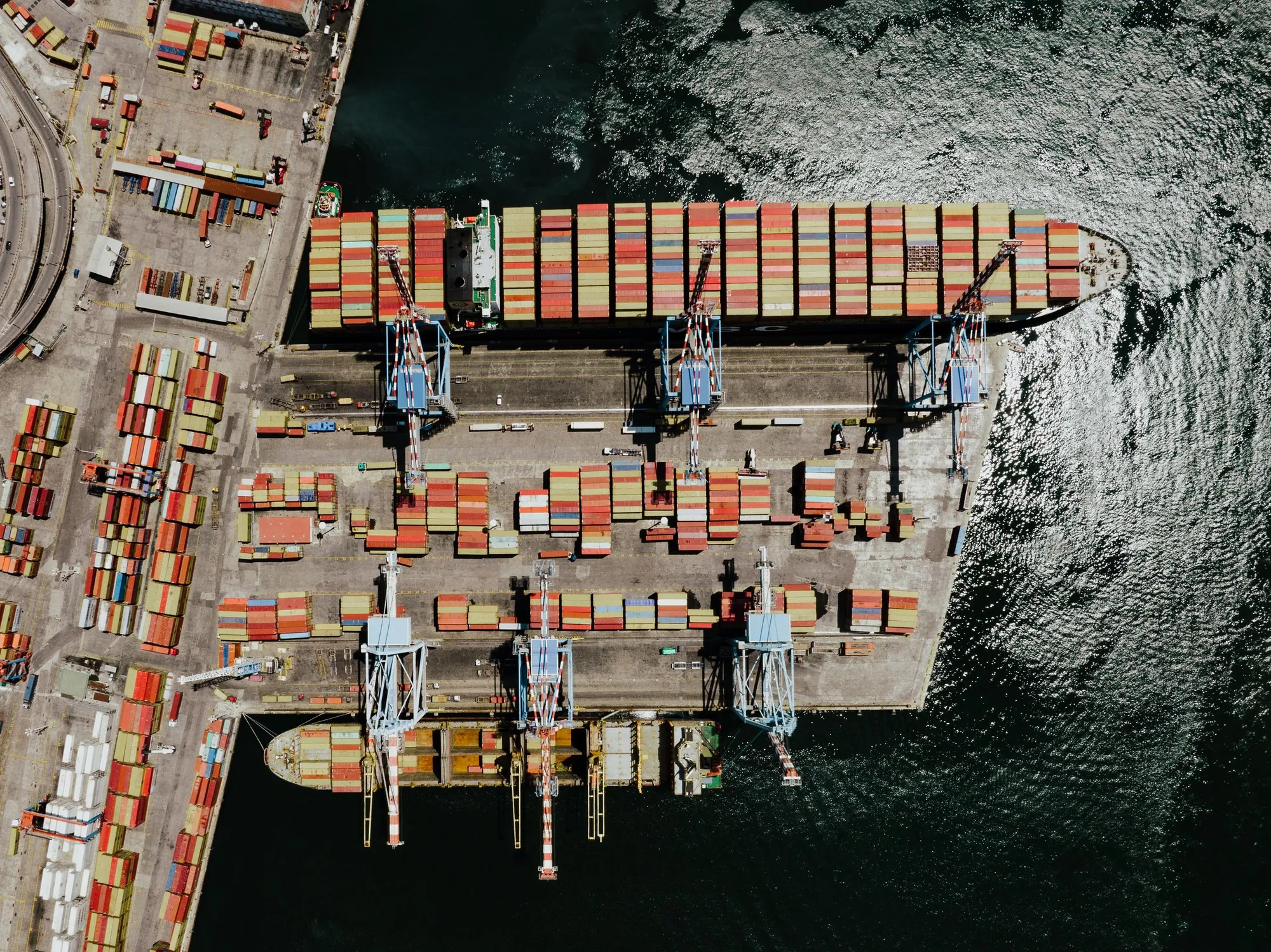
One jurisdiction, then the next
Each jurisdiction joins once, with the rules it owns. On a cross-border payment, its rules are checked alongside the other jurisdiction's, with no new bilateral build.
Where states share a currency or a payment link, one deployment can serve several, under their shared supervisor or each state's own.
| Jurisdictions | Linked directly | Through SettleVIA |
|---|---|---|
| 2 | 1 | 2 |
| 3 | 3 | 3 |
| 4 | 6 | 4 |
| 10 | 45 | 10 |
| 20 | 190 | 20 |
| 50 | 1225 | 50 |
It scales by one
Linked directly, every new jurisdiction needs a link to each of the others: 45 links for ten, 190 for twenty. Through SettleVIA, each new jurisdiction adds just one.
That makes global coordination practical. Every jurisdiction keeps its own rules, and each one that joins can check payments with all the others from its first day.
Full-scale, in stages
We work alongside governments and delivery institutions toward full deployments, starting in the Pacific and the Caribbean. A program funder or the state commissions each deployment, and integrators set it up alongside the jurisdiction's own teams.
- Scope. The authority, a licensed delivery institution and the commissioner agree the first use and its rules.
- Test alongside. It runs next to today's process and decides nothing.
- Prove. Banks and funders check its signed records before program money flows through it.
- Go live. It governs real money once the authority and the payment supervisor sign off.
- Hand over. The jurisdiction runs it, with an integrator in support.